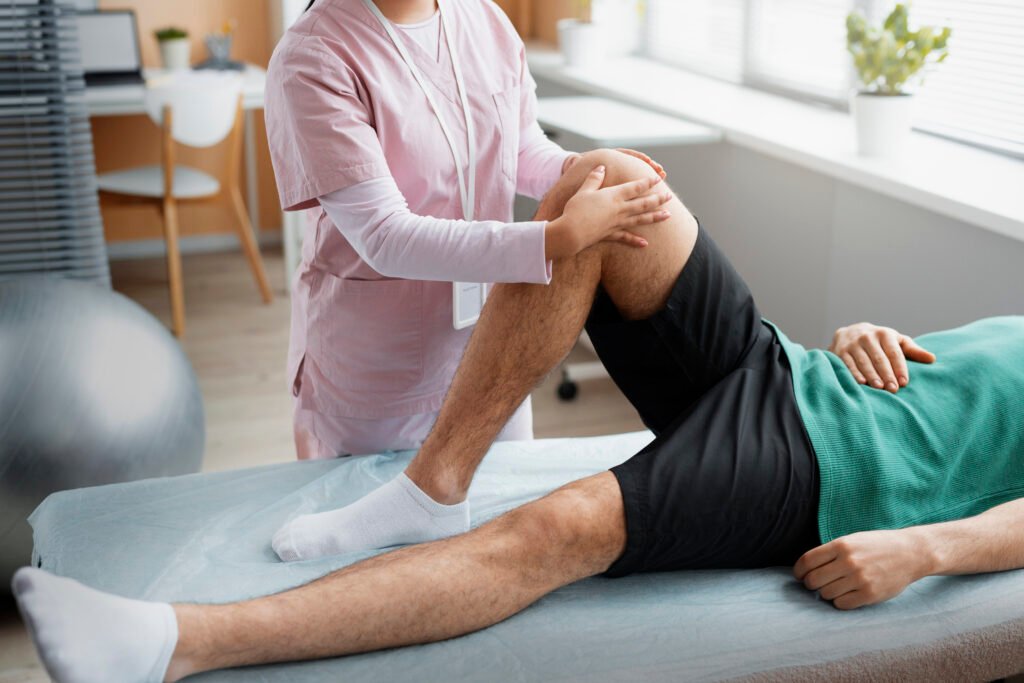
Pain in your knee, back or shoulder has a way of taking over your day. Walking the dog, lifting a bag of groceries or even sleeping starts to feel like a chore. If that sounds familiar, you are not alone, and you do not have to just put up with it.
This guide explains what orthopedic physical therapy Raleigh, NC really is, which problems it can help with, and what happens at your first visit. We have kept it simple, so you can decide your next step with confidence.
What Is Orthopedic Physical Therapy?
Orthopedic physical therapy is care for your muscles, bones, joints, ligaments and tendons. In simple words, it is treatment for the parts of your body that help you move.
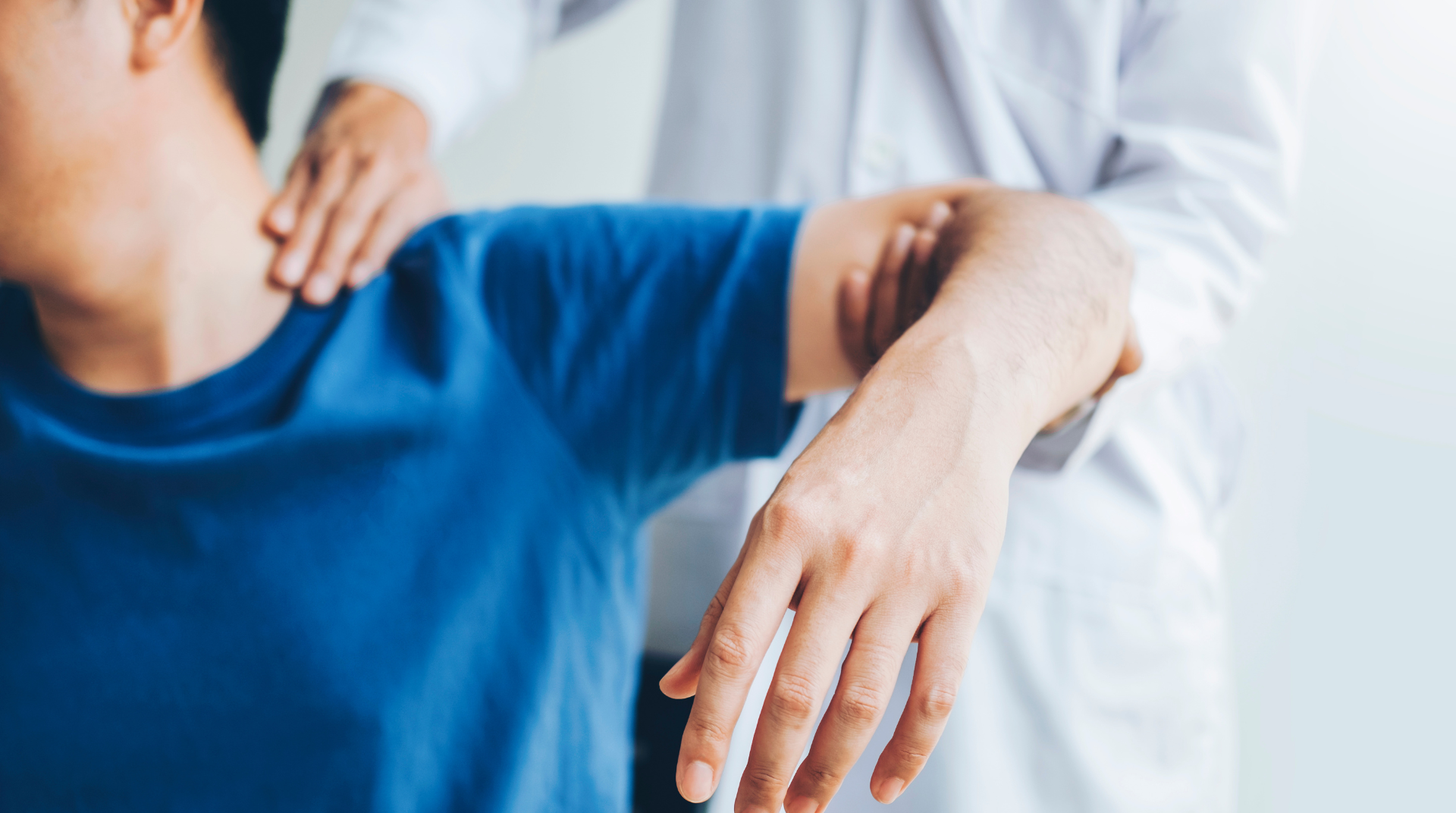
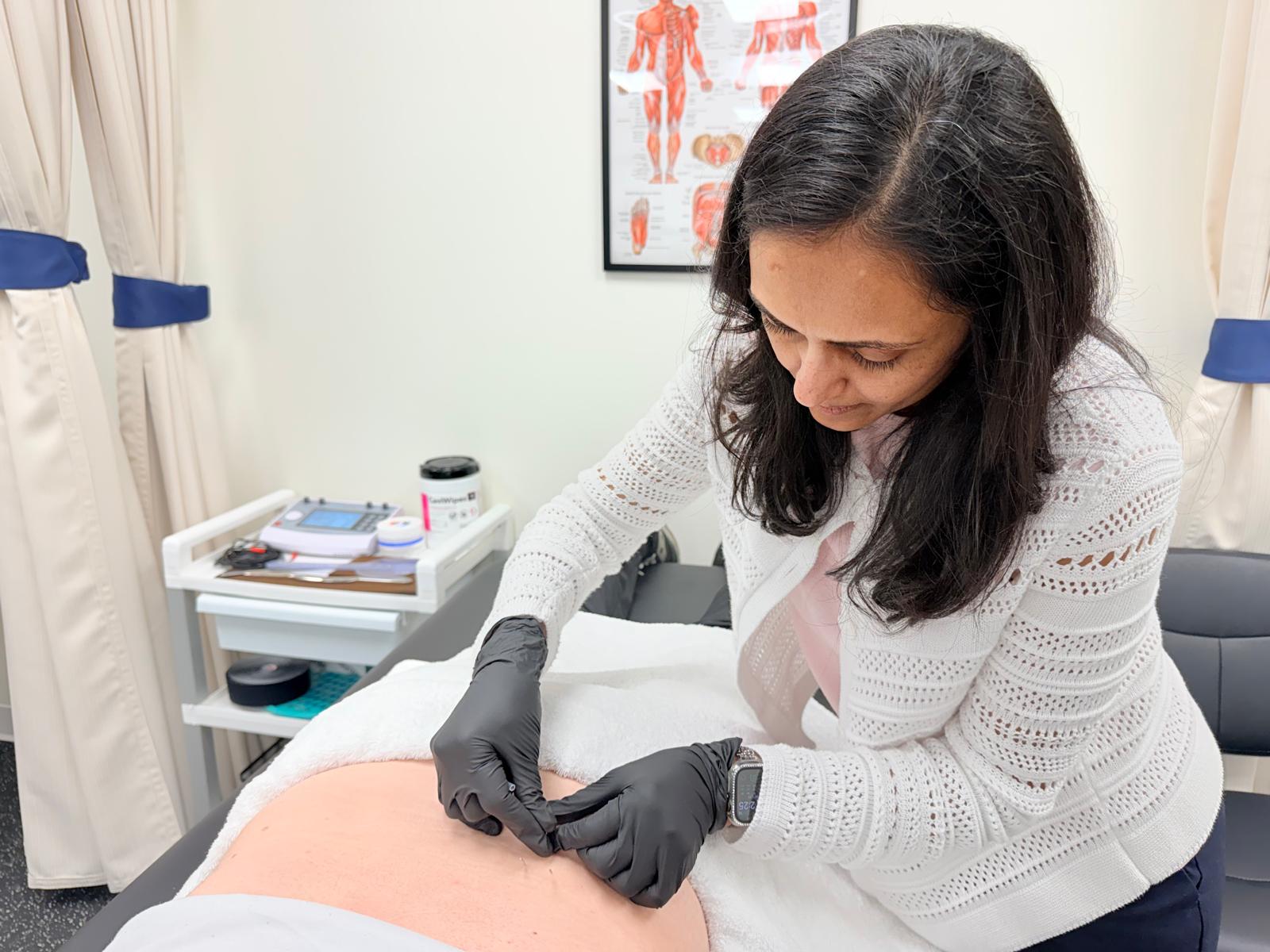
A therapist looks at how you move, finds what is causing your pain or stiffness, and builds a plan to fix it. That plan usually includes hands-on techniques, targeted exercises and clear advice you can use at home.
The goal is not just to calm the pain for a few days. The goal is to help you move better and stay stronger for the long run.
Common Problems Our Orthopedic Therapy Services in Raleigh Can Help With
Good Raleigh orthopedic therapy services cover much more than one body part. Here are some of the most common reasons people come to see us:
- Back pain and sciatica: Stiff, achy or radiating pain can make sitting and standing hard. Learn more about back pain treatment and sciatica pain relief.
- Neck and shoulder pain: Long hours at a desk or phone often cause tight, sore muscles. See how we approach neck pain and shoulder pain.
- Hip and knee pain: These joints carry your body weight all day, so problems here affect everything. Read about hip pain and knee pain care.
- Sports injuries, sprains and strains: From weekend runners to gym lovers, we help with sports injuries and muscle strains and sprains.
- Tendonitis and plantar fasciitis: Overuse can irritate tendons and the bottom of your foot. Explore tendonitis and plantar fasciitis treatment.
- Arthritis and long-lasting pain: Therapy can help you keep joints moving and manage arthritis and chronic pain.
You can see the full list on our services page.
Recovering After Surgery: Post-Surgical Rehabilitation
Surgery is only one part of getting better. What you do afterward matters just as much.
After a joint replacement, back surgery or an operation on a ligament or tendon, your body needs a careful plan to regain strength, balance and range of motion. Our post-surgical rehabilitation program is built around your surgeon’s guidelines and your personal goals.
One patient shared on Google that Dr. Patel’s exercises and hands-on care helped fix a limp that developed a few months after a hip replacement, and that her walking became steadier and stronger. Every person heals differently, but this shows why guided rehab can make a real difference.
Why One-on-One Physical Therapy Makes a Difference
Many clinics move patients through a busy room with several people at once. At Reflex, every session is one-on-one. That means your therapist is focused only on you from start to finish.
Here is why that matters:
- Nothing gets missed. Your therapist notices small changes in how you move and adjusts your plan right away.
- Treatment fits you. Your job, hobbies and daily routine all shape your plan.
- Faster understanding. You can ask questions and learn exactly why each exercise is part of your care.
You can read more about our method on the How We Treat page.
What Happens at Your First Visit?
New to physical therapy? Here is what usually happens, so there are no surprises.
- A conversation. We ask about your pain, your health history and what you want to get back to doing.
- A movement check. We look at your posture, strength, flexibility and how your joints move.
- A clear explanation. You will hear, in plain language, what we think is causing the problem.
- Your plan. We build a step-by-step plan with hands-on care and exercises, and we begin treatment when appropriate.
Many patients start to notice improvement within a few sessions, though the exact timeline depends on your condition, how long you have had it, and how consistently you follow your plan.
Do I Need a Referral?
In North Carolina, you can generally start physical therapy without a referral from a doctor. That means you can call us directly when something hurts instead of waiting for an appointment elsewhere. Some insurance plans have their own rules, so it is smart to check your coverage first.
Insurance and Payment
We accept most major insurance plans, and we also welcome self-pay patients. Our team checks your benefits before your first visit so you know what to expect. Visit our rates and insurance page for details.
Finding Orthopedic Therapy Near You, Including Clayton and Nearby Areas
When you search for orthopedic physical therapy Raleigh NC, you want a clinic that is easy to reach and truly focused on your recovery. Our clinic is at 7901 ACC Blvd, Suite 101, Raleigh, NC 27617, and we welcome patients from across the Raleigh area, including Cary, Morrisville and Apex.
If you live in Clayton or another nearby town and are comparing options for orthopedic therapy services, we are happy to talk through your situation and help you decide whether our care is the right fit. Just give us a call.
Tips to Protect Your Joints and Muscles Between Visits
Small habits add up. These simple steps can support your recovery:
- Keep moving gently. Short walks are often better than long periods of rest, unless your therapist tells you otherwise.
- Warm up before exercise. Even five minutes helps prepare your muscles and joints.
- Take breaks from sitting. Stand, stretch and change position every 30 to 60 minutes.
- Do your home exercises. Consistency is the secret to lasting results.
- Listen to your body. Sharp, worsening or unusual pain is a sign to pause and call your provider.
When Should You See a Physical Therapist?
Book a visit if your pain lasts more than a few days, keeps coming back, limits your daily activities, or follows an injury or surgery. It is better to start early than to wait until the problem grows.
Seek urgent medical care right away if you have severe pain after a fall or accident, sudden weakness, numbness, loss of bladder or bowel control, chest pain or shortness of breath.
Frequently Asked Questions
What does an orthopedic physical therapist do? They treat problems with muscles, bones, joints, ligaments and tendons using hands-on techniques, exercises and education to reduce pain and improve movement.
How many sessions will I need? It depends on your condition and goals. Your therapist will explain what to expect after your first evaluation.
Is physical therapy painful? You may feel mild soreness as your body adapts, but treatment should stay within a comfortable range. Always tell your therapist if something hurts too much.
Can physical therapy help me avoid surgery? For some conditions, yes. For others, therapy is an important part of recovery before or after surgery. Your therapist and doctor can guide you.
Do you offer in-home therapy? Yes, in-home physical therapy is available for eligible Medicare patients.
Ready to Move Without Pain?
You do not have to live with pain that holds you back. Our team offers personalized, one-on-one orthopedic physical therapy in Raleigh to help you recover and get back to what you love.
Book your appointment today or call (919) 341-7543. You can also learn more about Dr. Patel and our team.
Clinic hours: Monday to Thursday 7:30 AM to 4:00 PM, Friday 7:30 AM to 12:00 PM.