
Your brain, spinal cord, muscles, and joints are talking to each other all day long. That’s what lets you take a step without thinking about it, catch yourself before you trip, or pull your hand back from something hot. But when this communication gets disrupted — by an injury, bad posture, or ongoing pain — your body’s reflexes can start to slow down, weaken, or overreact. That’s exactly the problem spinal reflex therapy is built to fix. It retrains your nervous system so your body can move, react, and heal the way it’s supposed to.
What Is Spinal Reflex Therapy?
Spinal reflex therapy is a hands-on treatment that focuses on the link between your spine and your nervous system. Reflexes are automatic reactions controlled by your spinal cord and brain, and they quietly manage things like your posture, balance, muscle tone, and how well you avoid injury. When your spine is out of alignment, inflamed, or under too much stress, these reflex signals can misfire — and that’s often what shows up as tight muscles, nerve irritation, stiffness, or pain that just won’t go away.
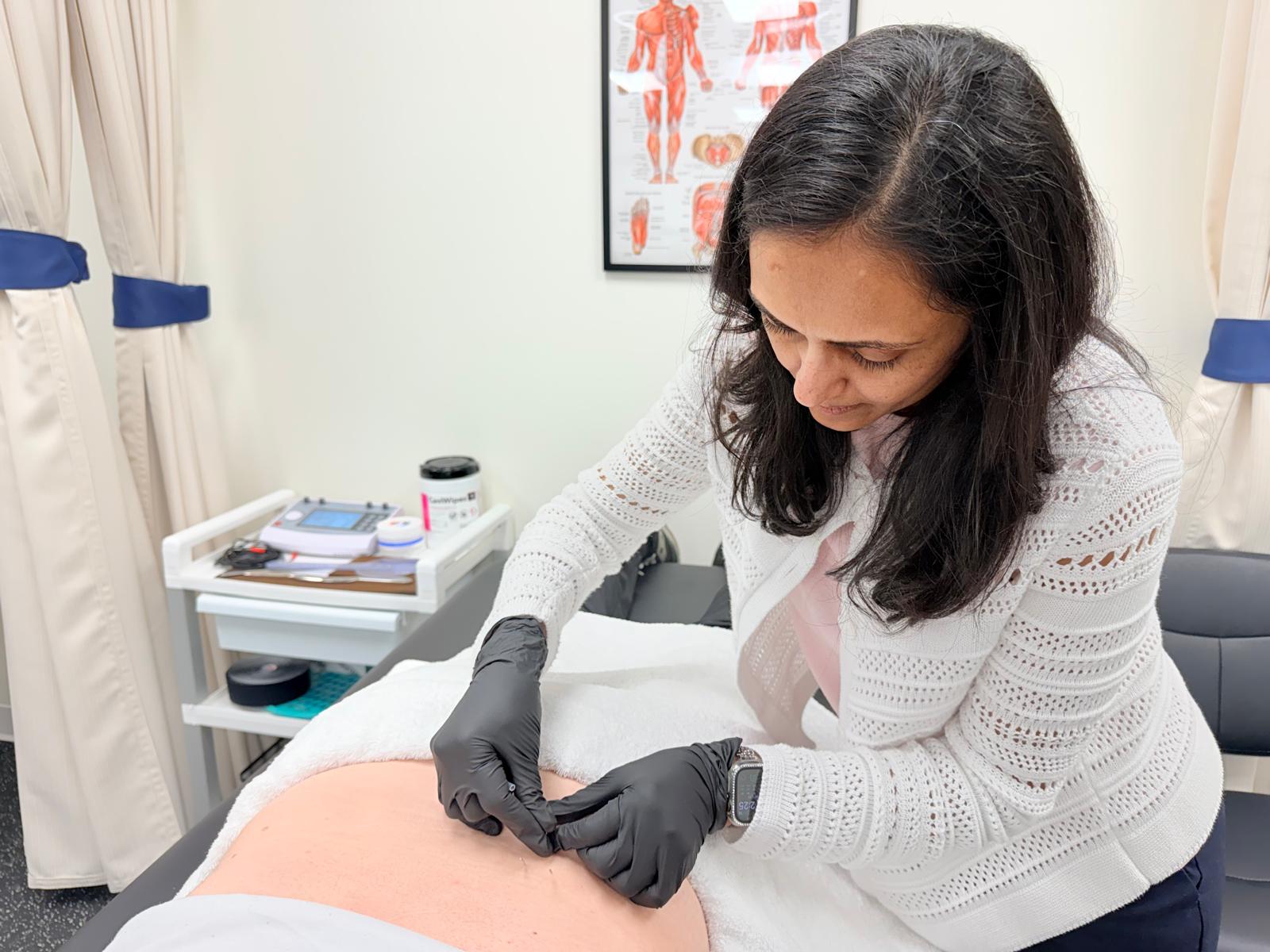
Using manual techniques, guided movement, and neuromuscular re-education, this therapy works to reset those signals. The point isn’t just to make the pain go away for a day or two — it’s to help your nervous system relearn healthy movement patterns so the results actually stick.
How It Supports Long-Term Healing
Here’s something a lot of people don’t realize: chronic pain usually isn’t just about damaged tissue. A lot of the time, it’s about how your nervous system is reading signals from your body. If a muscle stays tense long after an injury has technically healed, or a joint still feels shaky even after treatment, that’s often a sign the reflex loop between your spine, nerves, and muscles hasn’t fully reset.
Spinal reflex therapy tackles this with a mix of spinal mobilization, soft tissue work, and movement retraining. It can help with things like:
- Back pain from spinal stiffness or nerve irritation
- Neck pain caused by poor posture or muscle guarding
- Sciatica from nerve root compression
- Radiculopathy — nerve pain that travels into the arms or legs
- Dizziness or vertigo linked to sensory-motor issues
- Balance and proprioception problems that raise fall risk, especially for older adults
Because reflexes affect so much of how your body functions, treating them well can lead to improvements that go well beyond just easing pain.
Signs Your Nervous System Might Need This Kind of Care
You don’t have to be in serious pain to benefit from this approach. Some common signs your reflex pathways might be out of sync include:
- Muscles that feel tight or “on guard” even when you’re resting
- Pain that keeps shifting locations, without any clear cause
- Feeling unsteady or off-balance when standing or walking
- Minor strains or sprains that take longer than usual to heal
- Ongoing tension in the neck, shoulders, or lower back that stretching just doesn’t fix
If any of this sounds familiar, it’s worth getting your movement patterns and spinal function checked out by a licensed physical therapist.
Why Going After the Root Cause Matters
Most pain-relief methods just chase the symptom — the sore muscle, the stiff joint, whatever hurts right now. Spinal reflex therapy takes a different route. Instead of only calming the irritated spot, it looks at the signal patterns behind the irritation in the first place. That’s especially useful if you’re dealing with chronic pain, injuries that keep coming back, or a condition that never seems to fully go away no matter what you’ve tried.
By getting the spinal reflex arc communicating properly again, your nervous system can better manage muscle tone, cut down on unnecessary tension, and support movement that’s smoother and less painful.
What Treatment Usually Looks Like
Spinal reflex therapy isn’t really a stand-alone technique — it’s usually one part of a bigger, personalized treatment plan. A physical therapist will typically start with a full movement and posture assessment to see how your reflexes, joints, and muscles are working together (or against each other). From there, treatment might include manual spinal work, targeted exercises, and functional movement retraining aimed at strengthening healthier reflex responses over time.
Since every nervous system responds a little differently, the pace and intensity of your treatment gets adjusted based on how your body reacts session by session. That’s the kind of personalized care that shapes how treatment is delivered at Reflex Physical Therapy, where plans are built around each patient’s specific condition and goals — not a one-size-fits-all routine.
Take the Next Step Toward Better Movement
If persistent pain, muscle tension, balance trouble, or a recovery that’s stalled out sound familiar, spinal reflex therapy might help uncover what’s really going on underneath it all. Addressing your nervous system isn’t just about quick relief — it’s about giving your body what it needs to move well for years to come.
To learn more about how this fits into a personalized recovery plan, explore the full range of services offered, or schedule an appointment to have your movement and reflex patterns evaluated by an experienced physical therapist.