When people think about the pelvic floor, they often think only about bladder control or Kegel exercises. In reality, the pelvic floor is an important part of your body’s core system, working together with your abdominal muscles, diaphragm, hips, and low back to provide stability, balance, and efficient movement.
At Reflex Physical Therapy in Brier Creek, we help women restore strength, improve mobility, and return to the activities they enjoy after pregnancy and throughout the post-menopausal years. Our approach combines orthopedic physical therapy with an understanding of how the pelvic floor contributes to movement, posture, and overall function.
The Pelvic Floor Is Part of Your Movement System
The pelvic floor consists of a group of muscles that support the pelvic organs while working closely with the deep abdominal muscles, diaphragm, and back muscles. Together, these muscles help:
- Stabilize the spine and pelvis
- Transfer forces during lifting, walking, and exercise
- Support balance and posture
- Assist with breathing and pressure management
- Contribute to bladder and bowel control
When one part of this system is not functioning well, other muscles often compensate, which may contribute to pain or movement limitations.
Pregnancy and Postpartum Recovery
Pregnancy and childbirth place significant demands on the entire body—not just the pelvic floor.
You may notice:
- Core weakness
- Hip or pelvic girdle discomfort
- Low back pain
- Changes in posture
- Difficulty lifting your baby comfortably
- Reduced balance
- Decreased confidence returning to exercise
- Diastasis recti (abdominal muscle separation)
Our goal is to help you rebuild strength safely through individualized exercise and movement training that addresses the entire kinetic chain.
Staying Strong Through Menopause
Hormonal changes during menopause can affect muscle strength, bone health, connective tissue, and balance. Many women experience:
- Muscle weakness
- Joint stiffness
- Low back or hip discomfort
- Reduced balance
- Difficulty maintaining previous activity levels
A progressive strengthening program can help maintain mobility, improve confidence, and support an active lifestyle for years to come.
Our Orthopedic Approach
At Reflex Physical Therapy, we evaluate how your body moves as a whole rather than focusing on one area in isolation.
Your assessment may include:
- Posture and movement analysis
- Core muscle activation
- Breathing mechanics
- Hip and pelvic stability
- Balance testing
- Functional lifting mechanics
- Mobility assessment
- Screening for signs of pelvic floor dysfunction
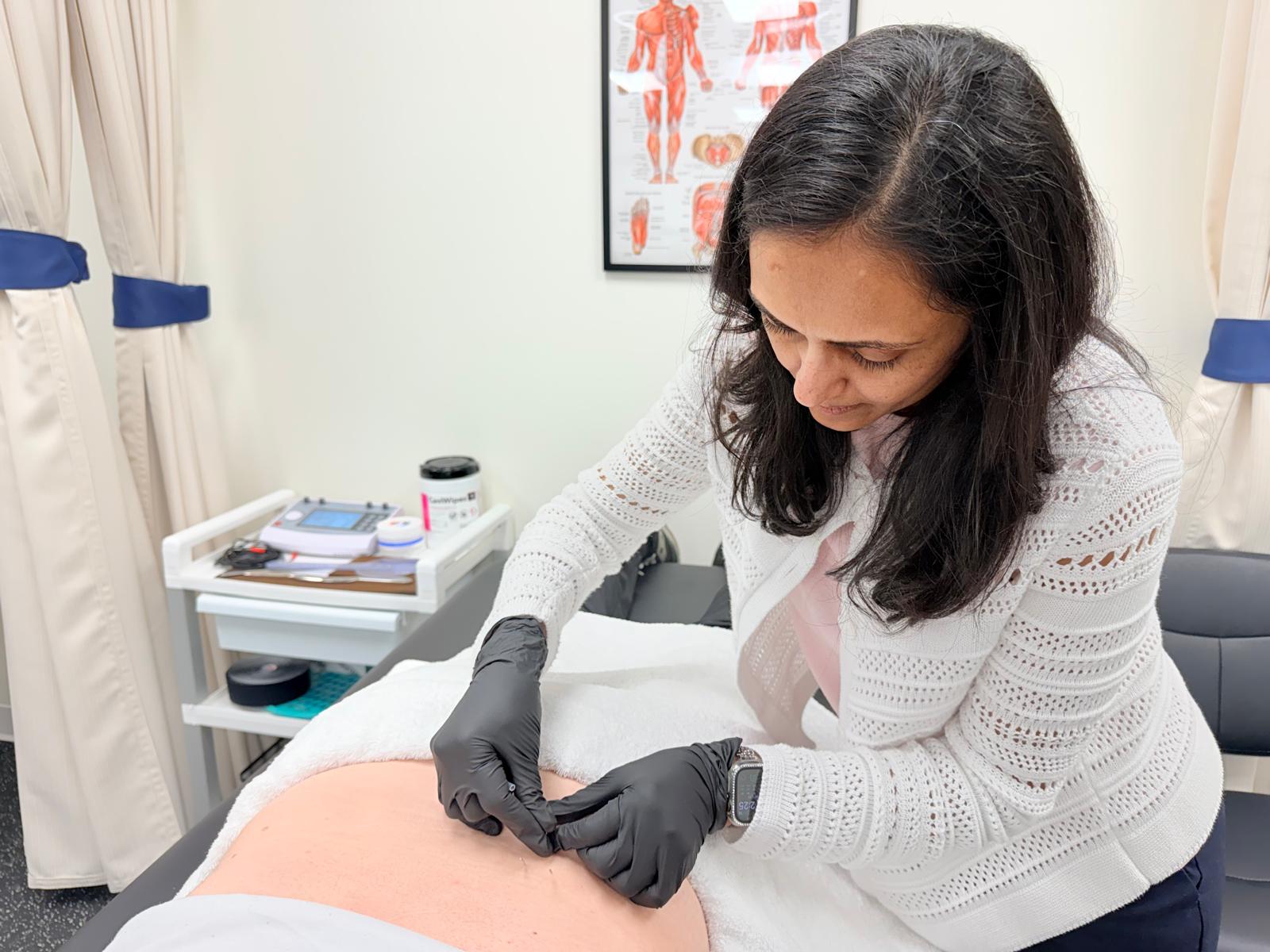
Because the pelvic floor works together with the rest of the body, we also incorporate external pelvic floor assessment and treatment techniques when appropriate as part of a comprehensive orthopedic rehabilitation program. These may include movement retraining, breathing strategies, manual therapy, muscle energy techniques, soft tissue techniques, and exercise progression to improve overall movement and function.
When Is Pelvic Floor Screening Helpful?
Many orthopedic conditions can be influenced by the pelvic floor, including:
- Persistent low back pain
- Hip pain
- Pelvic girdle pain
- Pregnancy-related musculoskeletal pain
- Postpartum weakness
- Difficulty generating core stability
Screening allows us to identify whether the pelvic floor may be contributing to your symptoms and whether incorporating external treatment strategies may improve your recovery.
When Specialized Pelvic Health Physical Therapy Is Needed
Some symptoms require evaluation by a physical therapist with advanced pelvic health training that includes internal examination and treatment.
These symptoms may include:
- Persistent urinary or bowel incontinence
- Pelvic organ prolapse
- Pelvic pain
- Pain with intercourse
- Complex pelvic floor dysfunction
If your symptoms suggest you would benefit from specialized pelvic health care, we will coordinate with an experienced pelvic health physical therapist to ensure you receive the most appropriate treatment while continuing to address your orthopedic needs when appropriate.
Our Goal
Whether you’re recovering after childbirth, managing low back or hip pain, or navigating the physical changes that come with menopause, our focus is helping you:
- Move with confidence
- Improve strength and mobility
- Build a stronger core
- Reduce pain
- Return safely to work, exercise, and daily activities
- Develop long-term strategies to stay active and healthy
Every woman deserves to feel strong, supported, and confident in her movement. By addressing the connection between the pelvic floor, core, hips, and spine, we can help you build a solid foundation for lifelong health and function.
If you’re experiencing low back pain, hip pain, pelvic girdle discomfort, or simply want to rebuild strength after pregnancy or during menopause, Reflex Physical Therapy in Brier Creek is here to help you move better and feel your best.