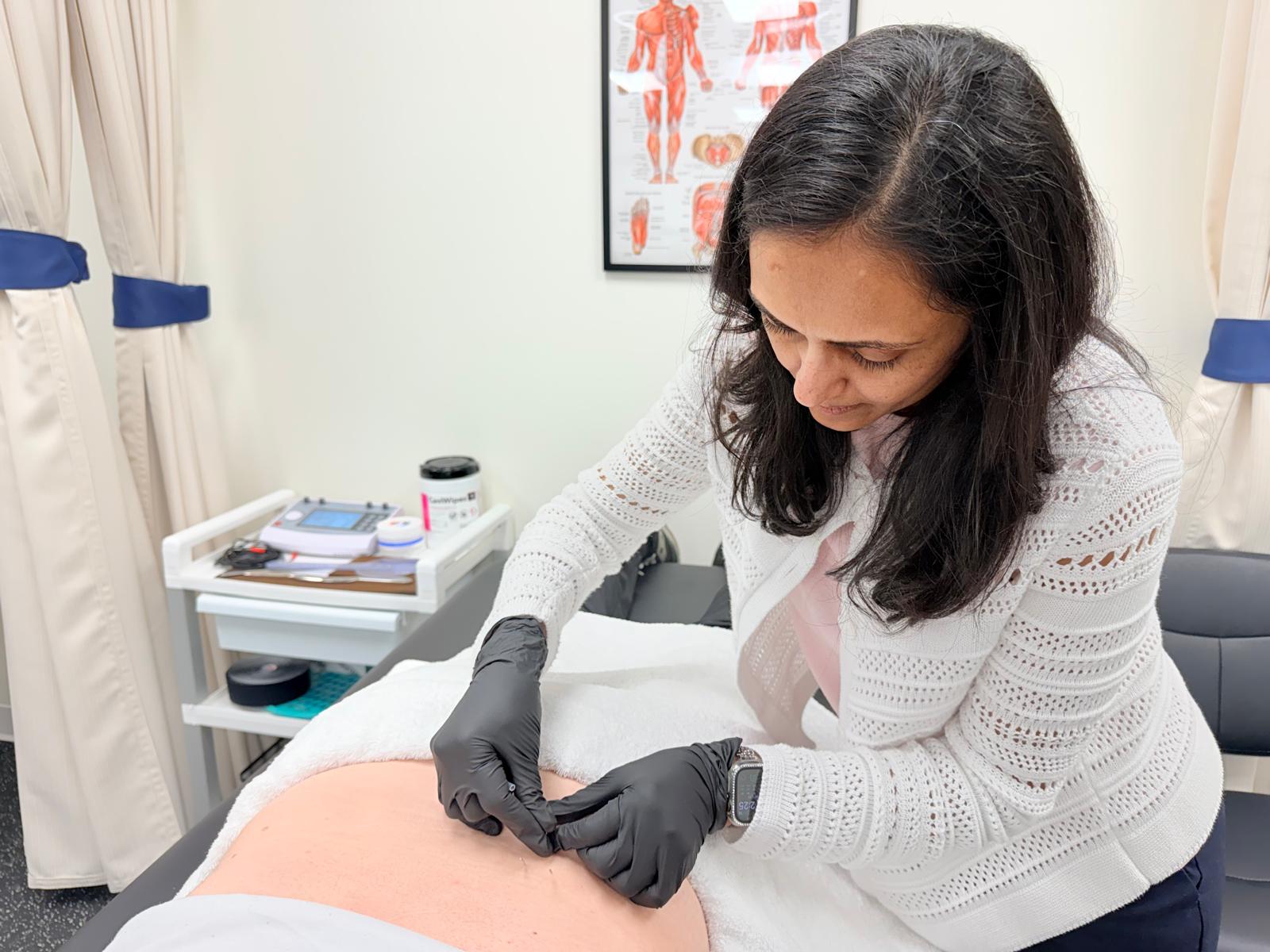

Visiting your initial Reflex physical therapy session may be exciting, yet additionally a little bit daunting. Relief, since you are finally taking action to relieve pain or stiffness that has been holding you back. Nerves, since you don’t know what will happen after you sit with your therapist.
The great news is that a first visit to the PT is not as scary as people think. No hidden exercises, no guessing and no one fits all exercises. It’s a dialogue, an evaluation, and the beginning of a program tailored to you and your objectives. Let’s take a look at what really happens from booking through to leaving feeling like they have a plan to jumpstart their recovery.
Before You Arrive: How to Prepare
Make that first visit easier and provide your therapist with more valuable information with a little preparation. Before going in, you need to collect the following before you go in:
• If your doctor gave you a referral form, imaging results, or surgical notes, these will be helpful.
• List of current medications and any medical history that would be relevant.
• Your insurance card and Photo ID.
• Comfortable and athletic clothing that will allow ease of movement of the affected area.
• A brief set of inquiries or issues you wish to discuss
It is also a good idea to arrive 10-15 minutes before. This will allow you to fill out any forms you haven’t yet done before the actual consultation, and your time will be spent with YOU, not forms.
Check-In and Paperwork
You’ll be directed to the front desk where the staff will check your insurance, ensure your contact information is accurate, and give you any forms that you may not have already filled out online. These forms will usually include questions on your pain history, previous injuries, medications you are taking and how much you do on a daily basis.
This is important information that can’t be overlooked. It allows your physical therapist to have a baseline assessment of your health even before you walk into the treatment room, and ultimately saves time from having them repeat information and having more time dedicated to your specific problem.
You will complete your Initial Evaluation:
After being called back, the appointment is turned into a thorough discussion with your licensed physical therapist. It’s not a pressured five-minute conversation. Real Listening is a part of a thorough evaluation.
Your therapist will ask what may make your pain or limitation better or worse, and how it is interfering with the things you do throughout your day, such as picking up your children, running a 5K, or being able to get out of bed easily. If you’ve been through surgery, they’ll discuss your surgery and any limitations by your surgeon. If you have a chronic condition, they will want to learn about the changes in your condition over time.
This conversation determines the rest of the conversation. The plan for a marathon runner is quite different from the plan for someone recovering from a shoulder replacement, even though they both have “shoulder pain.
This is the thing that many patients are surprised with. It can be helpful just to get an appointment and sit down with a therapist who’s truly interested in finding out about you and your injury, not just your injury.
The Physical Examination
Once you’ve had the discussion, your therapist does a hands-on physical examination. This isn’t a workout – it’s not meant to push your boundaries. It is intended to see how your body is moving, where it is compensating and where the true source of your discomfort is occurring.
This part can contain:
• A postural assessment to spot imbalances or compensations
• Range of motion testing of affected joint or area
• A range of strength and flexibility assessments:
• Assessment of balance and coordination
• Palpation to check for tension, swelling and tenderness.
Your therapist will tell you what they’re testing and why along the way, so you don’t just perform the tests blindly, but you know what each test is telling you about your body.
Establishing Goals and Creating a Treatment Plan
Once your history and physical assessment is completed, your therapist will review and discuss a plan of care unique to you. This plan is never a universal plan. It is tailored to your diagnosis, your daily activities, and your personal goals—e.g., walking without pain, playing sports, or sleeping through the night without pain.
Your plan may include multiple strategies, including:
• Manual therapy and joint mobilisation
• Dry needling to treat chronic muscle or nerve pain, that doesn’t respond to other treatment methods.
• Guided therapeutic exercises and stretching
• Soft tissue techniques to decrease tension and increase mobility
• Understand your body’s pain “language” with Pain Neuroscience Education (PNE)
You will also discuss realistic expectations of progress and visits – how many visits you will likely need, how often you should come in and what progress should look like as you go.
On Day One, treatment (and relief) often begins.
Patients are often surprised to see that treatment typically starts the first time they come in – and not weeks later. Your therapist may begin with passive stretching, manual therapy or specific exercises immediately, if it is determined during evaluation that these are appropriate.
Treatment immediately does two things. It may give you some instant relief, and will give you momentum, leaving your initial appointment feeling like you have progressed, rather than just having a plan on paper.
These are the questions that most new patients ask about chiropractic care:
There are a few questions that arise on every occasion when people embark on their first session:
• Will it hurt? The majority of techniques are meant to be bearable, and your therapist will always communicate with you and modify as appropriate.
• Is a referral from a doctor or other health care professional(s) (HCP) required? This will vary depending on your state and insurance coverage but many patients can be seen directly.
• How long is the first appointment? Initial visits usually take longer than follow-up assessments to give time to take a full history and make a proper assessment.
• Will I receive exercises for me to do at home? In most cases, yes. Home exercises supplement what you are learning in the clinic and help you to progress faster.
• What if I’m still in pain after the first visit? That’s normal. Each session does not make months of pain go away, but most patients feel some improvement in flexibility or pain with each visit.
• Can I select a therapist of my own? A lot of clinics, including ours, accept requests for a particular provider whenever it is available for their schedule.
The first visit takes about 12 hours.
Note that the first appointment will generally be longer than a typical follow-up appointment as a full history, physical exam, goal setting and possibly some treatment will occur during that time. Expect to spend more time than you do at your regular doctor’s appointment, and avoid making appointments back-to-back so you don’t have to run out the door.
Establishing a healing relationship.Creating a healing relationship.
Reflex Physical therapy is best when it’s a joint effort. In addition to the hands-on skills, there is a lot to be gained from open communication, sticking to your home program, and having a therapist that knows your case. You should always go out of any meeting feeling heard, not treated.
A good therapist-patient relationship also involves the opportunity for your plan to change. When your pain reduces or your strength increases, your treatment should change, but shouldn’t continue on autopilot.
Best Ways to Get the Most Out of Physical Therapy
Here are some habits to maximize your benefits from each session starting with the first:
• Be honest about how much pain you are in, no matter how much it changes.
• When something is not clear: ask questions!
• Follow home exercises in between visits
• Inform changes of symptoms immediately
• Maintain regular appointments to get results – consistency is key!
After your initial visit, what happens?So what happens after the first visit?
At the end of your first treatment, you will walk away with not only relief from the initial treatment, but more. You will leave with a diagnosis, a written treatment plan and the timeline for which your visits will occur. Patients are usually seen once to three times per week at the beginning; this frequency is reduced as your improvement progresses.
Your therapist will also provide a report of your evaluation to your referring physician (if there is one) for everyone’s information. If necessary, insurance authorization is often managed in the background, allowing you to concentrate on healing and not on paperwork.
Your home exercise program is just as important as the work done at the Clinic between visits. See appointments as checkpoints and home programs as the work that makes the progress happen. Consistent exercise at home is a more effective approach to achieving goals and reduces the number of visits required compared to those who exercise at home during the scheduled visits.
Preparing to start.Getting ready to begin.
The first physical therapy appointment is just the beginning of a journey towards regaining mobility and function. Don’t walk in with fear and doubt. Bring your questions, your past, your openness and let your therapist take care of the rest.
Reflex Physical Therapy will provide a free 10-15 minute wellness screening to help you start your visit if you live in the Raleigh, Cary, Apex, or Morrisville area and are ready to get started! To get started on feeling better, call (919) 341-7543 or book your appointment online.