A herniated disc can turn your day upside down in one blink of an eye if you ever bent over to get something off the floor and felt a sudden jolt in the back. Sitting gets uncomfortable. Lying in bed becomes a problem. Just a short walk can trigger pain down the leg.
The encouraging thing is that the majority of people that suffer from a herniated disc can recover without an operation and physical therapy is one of the best initial treatments. This is something that we frequently see at Reflex Physical Therapy in Raleigh. Below we will discuss what a herniated disc is, how physical therapy can assist and what you can expect when you arrive.
A Herniated Disc is what?
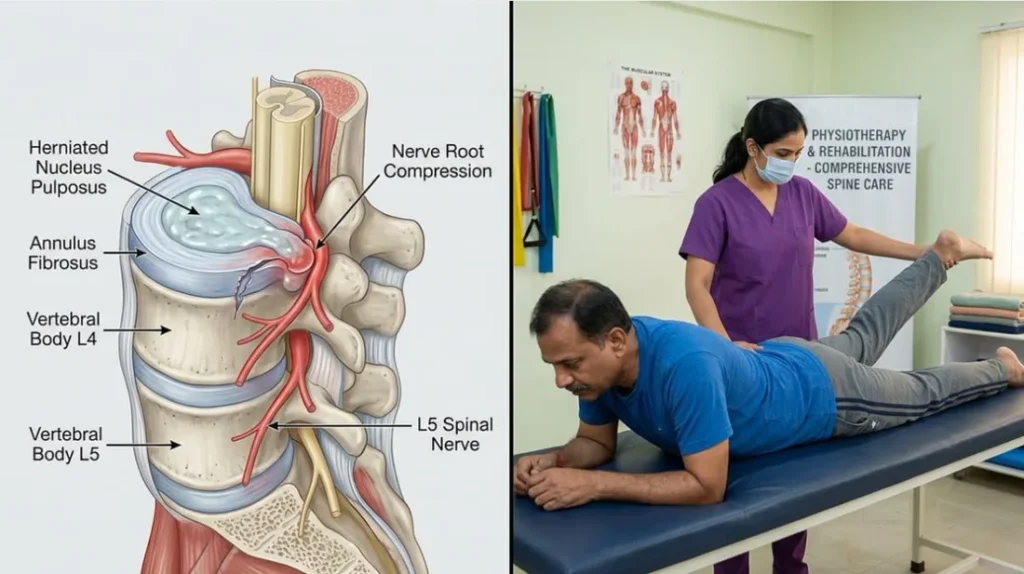
The backbone consists of bones (vertebrae) stacked one on top of the other. There are soft cushion-like discs between them to absorb shock and allow bending, twisting. The discs are hard on the outside and gelatinous on the inside.
Sometimes, the inner gel protrudes through a weakness in the outer layer, creating a herniated disc or slipped disc, also known as a bulging disc. It can compress an adjacent nerve, resulting in pain, numbness, tingling or weakness.
Common symptoms include:
Low back or neck pain that can become worse when sitting, bending or coughing
Irritation, numbness or/or tingling extending into the buttock, leg and/or foot (also known as "sciatica")
Neck to shoulder, arm, or hand pain or tingling that travels to the other areas.
Arm or leg weakness,
Rigidity that interferes with mobility during the day to day activities.
Why Do Discs Herniate?
As we get older, discs become more susceptible due to some loss of water content and flexibility. However, age is not always a determining factor. Common contributors include:
- Sitting for long periods or sitting incorrectly.
- Lifting with rounded back or twisting while lifting
- Poor strength of the core and hip muscles.
- Overuse injuries due to work or physical activity
- Accidental injuries or awkward activities
Previous back problems
It’s usually a coalescence of events over time and one little move is the last straw.
A herniated disc is a common condition that can be treated with physical therapy.
Lots of "pushing through" and "rest alone" don’t work, either. Physical therapy works, because it not only treats your pain, it also treats the cause of your disc irritation. Here is how.
1. It Taps into the Root Cause, NOT the Symptom
Pain in your leg may actually start in your spine. Tight hips or weak stabilising muscles can be the cause of back pain. A thorough assessment involves determining how you move, where you are tight, where you are weak and which positions tend to make your symptoms worse or better. The plan is actually personal, because it is based on a root cause approach.
2) It helps to alleviate discomfort and calm down the nerves.
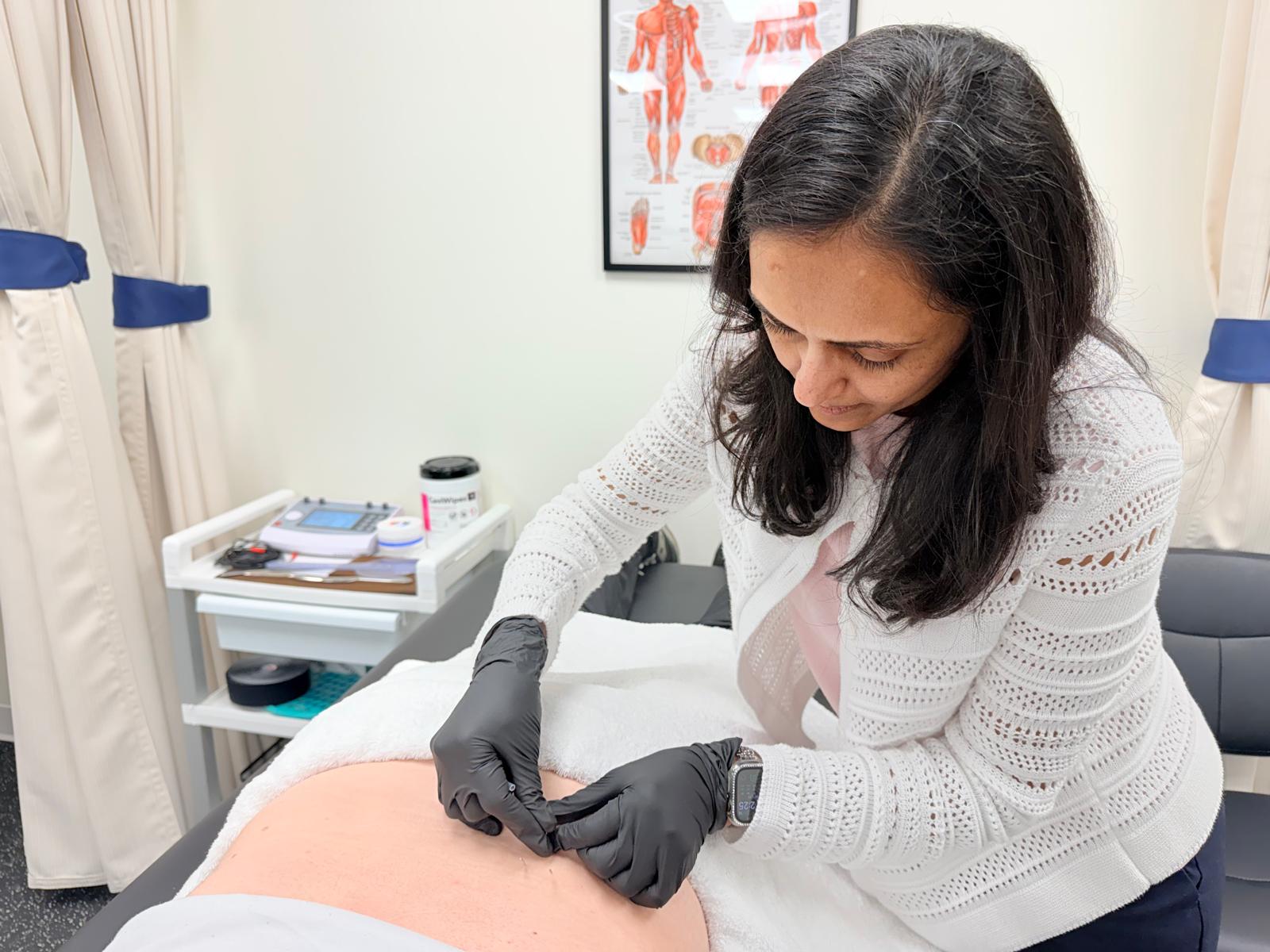
Manual therapy, soft tissue techniques, and gentle joint mobilizations can help relieve muscle guarding and stiffness around the spine. Your therapist might also employ some techniques such as dry needling (when appropriate) to relieve persistent muscle tightness. Additionally, certain positions and movements can help ease nerve irritation, and a therapist can help you learn what works for you.
3. Restores Mobility Safely.
If you have back pain, it’s easy to move less, and that stiffness can exacerbate your back pain. Guided stretching and mobility exercises restore spine, hips and legs to their freedom of movement, at a pace your body can handle.
4. It strengthens your spine.
Your spine bends and moves without stress when the core, glute and hip muscles are strong. Strengthening exercises that are focused on the affected disc and modified as the individual progresses reduce the pressure on the disc and decrease the risk of recurrence.
5. It teaches you how to move in daily life
Resuming activities that will help to protect the back is part of recovery, including sitting, standing, lifting, and sleeping. Changes that seem small enough, like the way you set up your desk, how you get out of bed, or how you pick up your laundry basket can have a big impact.
6. It can also help recovery from surgery.
A few herniated discs will need surgery. However, physical therapy is critical afterwards to restore strength, flexibility and confidence in movement. This is available for more details on our post-surgical rehab page.
This is the first visit – what to expect.
Here’s what to expect at Reflex Physical Therapy for your first visit:
- A conversation first. We hear your history, your pain pattern and your goals.
- A hands-on assessment. We assess your posture, movement, strength, flexibility and nerve function.
- A clear explanation. You will get a clear explanation of what is happening in simple terms.
- A personalized plan. Your program targets your diagnosis, life and goals and is modified as you go.
Each session will be on a one-on-one basis. You are not handed off to someone else or put on the other patient’s list. Your therapist’s attention is on you all the time. Many patients will see improvement in a few sessions, though this varies from patient to patient and depends upon the condition.
Simple tips while recovering:
These are general guidelines which you can follow in the meantime until the next visit, but are not a substitute for a professional assessment:
Keep moving gently. Short walks, often are better than long bed rest.
Change positions often. Don’t sit in the same position for extended periods of time.
Do not use excessive force when lifting or twisting at the time of symptom flare up.
When sitting lift up your back, particularly if you are driving or working at a desk.
Avoid pushing through sharp or worsening pain. If the pain radiates or gets worse, it’s a warning sign to get checked.
Seek immediate medical attention if:
While most of the cases about herniated disc are not emergencies, some symptoms require immediate attention. If you have some of the following symptoms go to the emergency room:
- Incontinence (failing to control the bladder or bowels)
- Paresthesias in groin or inner thigh
- Sudden, severe leg weakness
- Severe pain following a major fall or accident or if there is a fever without a known cause and back pain
- These can be indications of a serious nerve compression that requires prompt treatment.
So, why is Reflex Physical Therapy in Raleigh the best physical therapy choice?
Dr. Chaitali Patel, PT, DPT, OCS, GCS, MTC, TPS, CIDN, is a practicing physical therapist with over 20 years of experience and has a comprehensive, evidence-based approach to care. We are chosen by patients for providing:
- A physical therapist working in a specialty field related to the bones and joints.
- Treatment will be delivered on an individual basis at all visits.
- A long-term, rather than short-term, solution using a root cause approach.
- Treatment for related conditions such as back pain, sciatica, neck pain and radiculopathy.
Read our patient treatment section on the website to see how we treat patients. Most major insurance plans are accepted and no referral is needed to get physical therapy in North Carolina.
Frequently Asked Questions
Is it possible to cure a herniated disc without surgery?
In many cases, yes. The symptoms tend to get better over time with proper treatment, and physical therapy is frequently suggested as the initial treatment. Surgery is generally only recommended if the symptoms are severe or do not improve.
How many physical therapy visits will I have?
This will depend on the patient, the duration of the symptoms and their desired results. After the evaluation, your therapist will be able to provide you with a more accurate prediction of when you will begin to see results, with many patients improving their condition after 3-6 sessions.
Does physical therapy hurt?
Treatment is never to be perceived as unsafe. There may be a little discomfort as your body adjusts but your therapist will make sure you are comfortable and making progress.
Is it necessary to have a doctor’s referral?
No. Physical therapy can be booked in North Carolina without a referral.
Will the herniated disc heal?
It can, and strengthening and movement education and healthy habits are important. They support your backbone after treatment has been completed.
Take the First Step Toward Relief
You do not have to suffer from back or leg pain or solve the problem on your own. An individualized treatment plan can help you move more comfortably and begin doing the activities you enjoy.
Patients in Raleigh, Cary and Morrisville, Apex and surrounding areas can come to Reflex Physical Therapy for treatment.
📍 7901 ACC Blvd, Suite 101, Raleigh, NC 27617
📞 (919) 341-7543
🕒 Monday to Thursday 7:30 AM to 4:00 PM, Friday 7:30 AM to 12:00 PM
To book a Free 10-15 minute wellness screening, call now or click here to schedule online.